
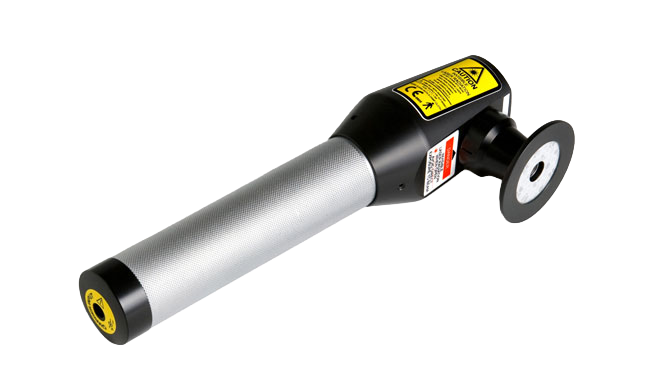

Riancorp LTU-904 Low Level Laser Therapy (LLLT) supported by scientific evidence Living with lymphedema requires a multifaceted approach to care that blends proven therapies like Manual Lymph Drainage,
Compression Garments, Exercise, and Skin Care. While these remain the gold standard, researchers continue investigating emerging therapies that may enhance outcomes. One option that has gained attention is Riancorp LTU-904 Low-Level Laser Therapy (LLLT), or photobiomodulation therapy. Unlike surgical or cosmetic lasers, LLLT uses low-intensity, non-invasive light to gently stimulate tissues without cutting or heating the skin. The light penetrates into tissue and interacts with cells at a biological level, triggering various cellular processes. Research suggests that the LLLT can:
- Research suggests that the LLLT can:
- Stimulate energy production within cells (via mitochondria) and regenerate tissue.
- Improve lymphatic circulation, reduce inflammation and swelling, shorter recovery time.
- Reduce scar tissue and scarring, fibrosis, relieve pain at the time of the laser treatment.
- This makes the LTU-904 Low Level Laser Therapy (LLLT) a promising option for conditions involving swelling and tissue changes, such as lymphedema.
2. LLLT can also be effective in the treatment of muscle soreness, ligament strains and sprains, tendinitis, arthritis, joint inflammation, and post-operative swelling and bruising.
What Research Shows So Far:
- Reduction in Limb Volume. Several randomized controlled trials, particularly in women with breast cancer-related lymphedema, have found that LLLT can lead to measurable reductions in arm swelling. Improvements are often noted after several treatments, typically delivered over several weeks.
- Enhanced Lymphatic Flow. Animal and human studies suggest that LLLT may stimulate lymphangiogenesis—the growth of new lymphatic vessels—and improve lymphatic pumping. This could support the body’s ability to move excess fluid out of affected tissues.
- Fibrosis. Softening fibrosis (the hardening of tissues due to protein-rich fluid buildup) is a common challenge in chronic lymphedema. Some studies have shown that LLLT softens fibrotic tissues, improving limb flexibility and comfort.
3. Pain and Mobility Benefits. Beyond swelling reduction, participants in LLLT studies frequently report less pain and greater mobility, particularly in the shoulder and chest regions after breast cancer surgery. This suggests that LLLT may help with both functional and quality-of-life outcomes. LLLT is generally considered safe and well-tolerated.
The Bottom Line: LTU-904 Low-Level Laser Therapy (LLLT) holds promise as a supportive therapy in lymphedema care. While it should not replace proven treatments such as manual lymph drainage and compression, it can offer additional benefits, especially in reducing swelling, softening fibrosis, improving mobility, and shortening recovery time. LTU-904 is the only laser cleared by the FDA for post-mastectomy lymphedema treatment.
Call our office to schedule an appointment (480) 252-8693